Embracing the Energy of Spring
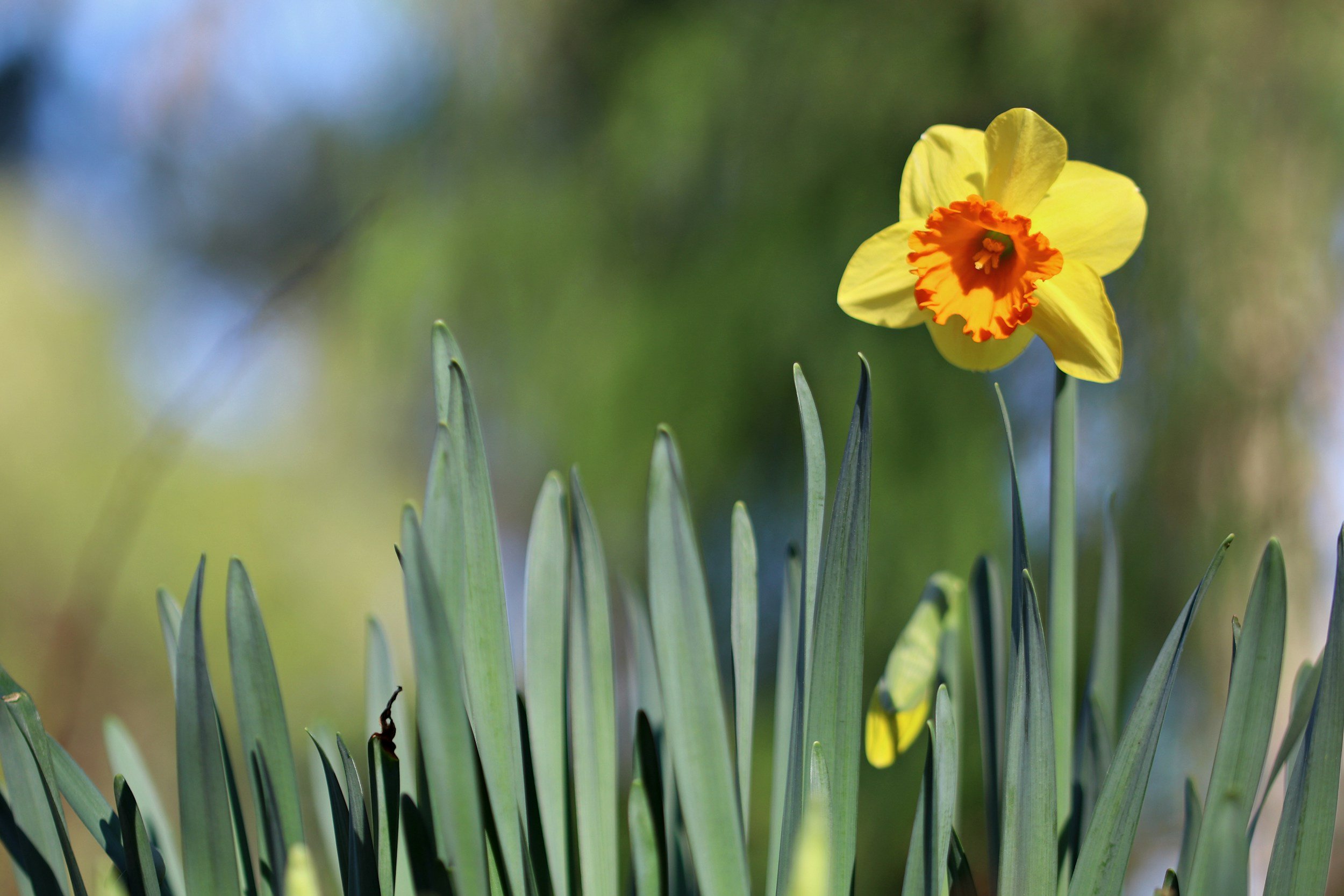
As the seasons change, nature responds. As part of the natural world, so do we. Our bodies, moods, energy levels, and hormones shift with changes in sunlight, weather, and temperature. By intentionally aligning with the seasons, we can move through life with greater ease.
Spring carries a spirit of reflection, renewal, and awakening. It marks the beginning of the astrological calendar with the pioneering sign of Aries and the start of a new year in many cultures. In traditional Chinese medicine, spring is associated with wood energy—symbolizing growth, expansion, flexibility, and action. Like a tall tree, strength comes from being deeply rooted while remaining flexible enough to bend without breaking. In Ayurveda, late winter and spring correspond with the kapha dosha—an energy of water and earth that is cool, heavy, and slow. Kapha governs stability, nourishment, protection, and lubrication.
Together, these perspectives reflect spring as a bridge between winter’s hibernation and summer’s ambition. It is a season of nurturing, refining, and emerging—one that can easily be overlooked if we don’t intentionally honor our natural rhythms.
Here are five ways to embrace the energy of spring:
Cleaning & Replenishing - We’ve all heard of spring cleaning, but it goes deeper than scrubbing and organizing. Before the bustle of spring and summer begins, take time to refine your environment. Yes—clean the bathroom, wash the linens, and switch sweaters for tank tops—but also think broader. Release what no longer serves you: unused items, relationships lacking effort, unreliable connections, or habits that keep you from living authentically. Stock a few emergency supplies, or begin learning a new skill. Your environment shapes you. Let the season inspire you to focus on what supports your growth and raises your vibration.
Grooming & Self-Care - Winter can feel long. While hibernation is cozy and restorative for some, it can also bring lethargy or seasonal depression for others. Spring is a good moment to check in with your body. Have you been treating it like a temple? If yes, consider what shifts might better support you as the weather warms. If not, ask yourself what care or grooming would help you feel ready to emerge and be seen this season. This isn’t about impressing anyone else—you deserve to feel good in your own skin and deeply nurtured.
Eating What’s in Season - Research shows that eating locally grown, in-season produce aligns with our physiological needs. Foods that grow naturally during a season often support what our bodies need most—like water-rich fruits appearing during the hottest months. Buying seasonal foods also means fresher produce, more nutrients, and fewer days in storage or transit. Supporting local farmers and markets strengthens local economies and often reduces exposure to harmful agricultural chemicals. Resources like Seasonal Food Guide can help you discover what’s growing in your area. If this feels like a big shift, start small and stay curious.
“Touch Grass” - One of my favorite Gen Z phrases is “touch grass,” because it reminds us that connection to the Earth is essential. Seasonal Affective Disorder is linked to reduced sunlight, which can lower serotonin and vitamin D levels. The spring equinox marks the return of longer days—so take advantage of the light. Spend time outdoors, or bring nature inside with houseplants, flowers, or art made from natural materials. One simple practice I love is refreshing a small bouquet on my kitchen table every couple of weeks. In winter I grab an inexpensive grocery bouquet, but in spring I can pick flowers from my yard or buy them locally at the farmers market.
Setting Intentions - An intention is different from a goal or resolution. It’s a clear statement about how you want to show up and where you want your energy to flow. This doesn’t mean ignoring life’s challenges—it means cultivating the mindset needed to meet them with clarity and confidence. One way to create a seasonal intention is to reflect on a rose, bud, and thorn in your life: a rose (something going well), a bud (something emerging or exciting), and a thorn (something difficult). Notice any themes that arise and use them to shape your intention for the season.
Pranayama Routine for Spring
If you’ve ever practiced breathwork with me, you’ve likely heard my passionate reminder about how powerful the breath is—both on and off the yoga mat. I’ll spare you the full soapbox speech, but the truth still stands.
In yoga, the practice of working with the breath to influence life-force energy is called pranayama: prana meaning life-force energy (accessed through the breath) and yama meaning control or regulation.
Try this simple pranayama sequence for spring:
Diaphragmatic Breathing
Breath of Fire (Kapalbhati)
Lion’s Breath (Simhasana)
Alternate Nostril Breathing (Nadi Shodhana)
If any of these exercises are not already in your practice, please look up how to do them correctly and safely. For example, if you are pregnant, have a respiratory infection or disorder, have a heart condition, or have a spinal disorder